All Categories
Featured

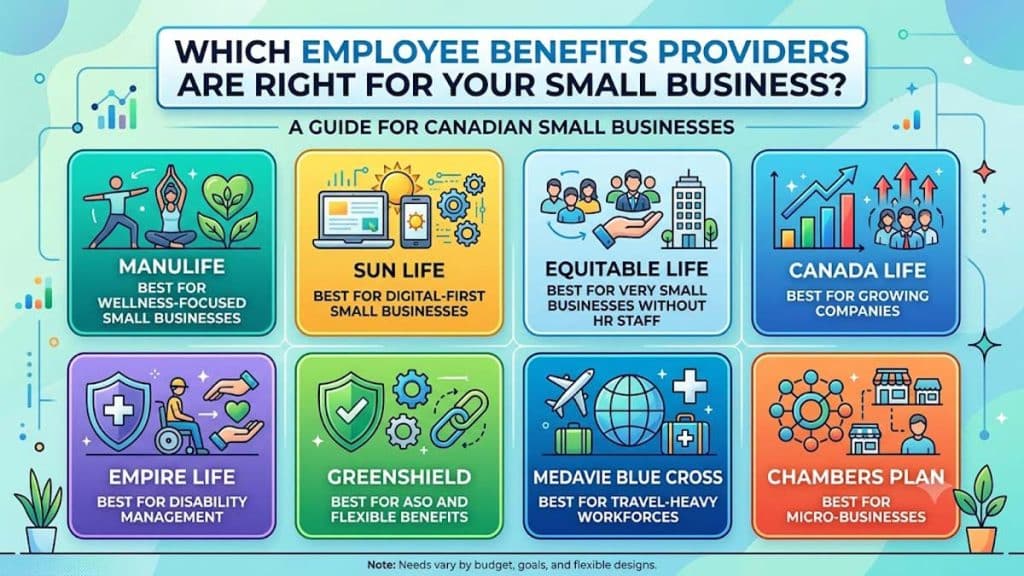
Finding Quality Health Insurance for Local Firms
Table of Contents
The expense of eap programs differs depending upon company size, services used, and provider type. Some suppliers charge per worker, while others use bundled pricing. Digital platforms like Yuna often provide more scalable and affordable alternatives compared to traditional designs. EAP services typically consist of mental health counseling, stress and burnout assistance, relationship guidance, crisis intervention, and office performance assistance.
Accessing eap services through Yuna is easy and immediate. Workers can log into the platform and begin utilizing features like everyday check-ins, assisted reflection, and AI psychological health training without scheduling sessions. This eliminates delays, decreases preconception, and makes support part of daily work life. Employers looking for contemporary worker help program providers can select Yuna for a scalable and easy-to-implement option.

Staff Member Support Programs are confidential workplace-based psychological health assistance services that supply counseling, psychological resources, and healing interventions to California's labor force of over 19 million individuals and their families through employer-sponsored efforts (California Employment Advancement Dept., 2024). These workplace mental health programs incorporate straight with California's thorough health care facilities, where more than 90% of homeowners have access to normal healthcare sources such as personal doctors or clinics, developing a seamless support network for worker wellness (California Health Interview Study, 2021).
How to Lower Corporate Wellness Program Expenses
Census Bureau, 2023). California's staff member assistance efforts operate as main prevention tools that lower workplace stress, prevent mental health crises, and provide early intervention services before conditions need intensive scientific treatment, supporting the state's 18.4 million used workers across diverse industries from technology to agriculture (California Employment Advancement Dept., 2024).
These workplace-based support efforts work as structured employee support group that connect workers with licensed psychological health professionals, drug abuse specialists, and family treatment resources at no expense to participants. California employers execute these personal programs to attend to individual difficulties affecting work environment performance, with over 90% of Californians having access to health care resources consisting of employer-sponsored mental health services (California Health Interview Survey, 2021).
These employer-funded assistance resources resolve the state's substantial psychological health challenges, particularly relevant provided California's 14% adult asthma occurrence and stress-related health conditions that impact worker performance (California Health Interview Study, 2022). Program participants access personal telephone consultations, face-to-face therapy consultations, and online mental health resources created to assist workers in managing both personal and professional problems affecting their office effectiveness.
Workers access private assistance services covering mental health, substance abuse, monetary therapy, and household issues within California's 18.4 million-person workforce (California Work Development Dept., 2024). These workplace assistance programs function as intermediary services linking staff members to California's healthcare network, which consists of over 150,000 active doctors and 450,000 signed up nurses (California Board of Registered Nursing, 2023).
EAP planners preserve private intake processes where employees receive initial evaluations and recommendations to external psychological health suppliers within 24-48 hours of preliminary contact. California's diverse workforce, with over 40% speaking languages other than English in the house (U.S. Census Bureau, 2023), gets multilingual support services that link to the state's extensive healthcare facilities covering metropolitan and rural communities.
Best Vision and Vision Insurance for Your Employees
These staff member support programs deliver instant mental support through 24/7 crisis hotlines and provide to 6-8 sessions per issue each year at no charge to workers. EAP mental health interventions resolve workplace tension, family disputes, drug abuse concerns, and trauma-related mental distress within California's diverse labor force of over 39 million residents (California Department of Finance, 2025).
Family dispute resolution services provide mediation support for domestic problems, while workplace injury interventions assist staff members process vital events and occupational stress. These programs incorporate with California's healthcare system where over one-third of residents are registered in Medi-Cal (California Dept. of Health Care Solutions, 2024). EAP therapists coordinate referrals to long-lasting psychological health providers when workers require extended mental treatment beyond the short-term intervention design.
California's 18.4 million utilized workers gain EAP eligibility from their very first day of employment, with programs extending protection to spouses, children, and household dependents (California Work Advancement Dept., 2024). The state's varied labor force take advantage of culturally proficient EAP services, dealing with the needs of 27% foreign-born locals who represent over 10 million Californians (U.S.
EAP access consists of multilingual assistance services, showing California's linguistic variety where 40% of homeowners speak non-English languages at home (U.S. Census Bureau, 2023). Work status variations affect EAP availability throughout California's workforce sectors. Full-time staff members get detailed EAP advantages consisting of mental health therapy, financial consultation, and crisis intervention services. Part-time workers keep equivalent program access under California labor laws, though advantage usage rates differ by 20-30% compared to full-time staff according to office health research.

Table of Contents
Latest Posts

Selecting Employee Assistance Program Solutions to Support Teams
Trusted Workplace Assistance Program Providers for Growth
Navigating Local Company Medical Insurance in 2026
Latest Posts
Selecting Employee Assistance Program Solutions to Support Teams
Trusted Workplace Assistance Program Providers for Growth
Navigating Local Company Medical Insurance in 2026