All Categories
Featured

Reviewing Medical and Dental Benefit for Small Firms
Table of Contents
Believe of it like the difference between leasing a house and owning a home. A traditional, fully-insured strategy is like rentingyou pay a set quantity monthly, and the property manager (the insurance provider) takes on all the risk and manages all the maintenance. Self-funded and level-funded strategies, on the other hand, are more like owning your strategy.
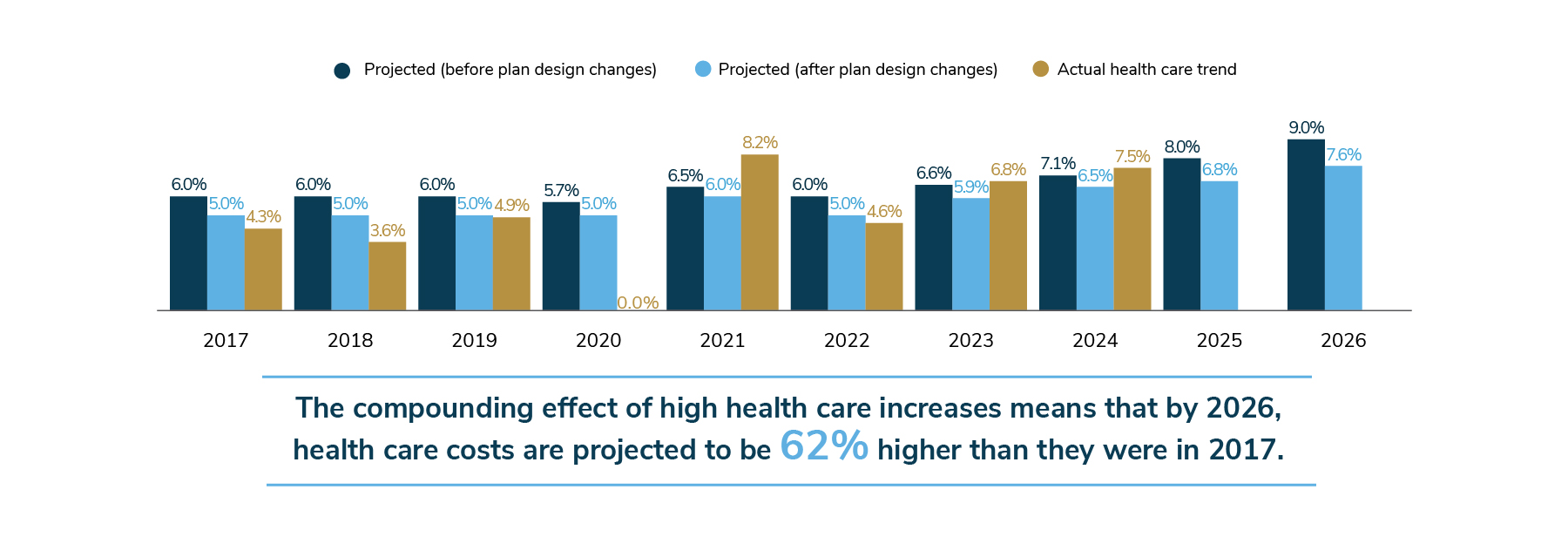
This shift isn't just a trend; it's a direct action to the extreme financial pressure lots of companies are under. Little services with Affordable Care Act (ACA)- certified plans frequently deal with incredible premium walkings driven by ever-rising healthcare costs. In reality, a recent study discovered that a lot of little company owners are deeply concerned about cost, with lots of fearing it could hamstring their operations or perhaps require them to drop coverage completely.
With a (often called self-insurance), your company stops paying premiums and starts paying for your staff members' real health care claims straight. That's why businesses purchase.

This design opens up two big benefits: If your team has a healthy year and claims are lower than predicted, that cash stays with you. It does not get filched by an insurance carrier as revenue.
In a year with higher-than-expected claims, your expenses will be higher. That volatility isn't for every little service. Self-funded strategies undergo federal ERISA regulations however are typically exempt from state insurance laws, which can simplify administration for multi-state employers. For smaller sized companies intrigued by self-funding but worried about the unforeseeable cash flow, are a great happy medium.
Finding Top-Rated Oral and Vision Insurance for Employees
Here's how it works. You pay a constant, level monthly payment to a third-party administrator (TPA). That single payment packages 3 key things together: An estimate of what's required to cover your group's medical claims. The cost for that necessary devastating coverage. The TPA's fee for managing all the claims processing and documentation.
At the end of the year, if your real claims are less than what you paid into the claims fund, you frequently get a refund or a credit for that surplus. This structure gives you the very best of both worlds: predictable month-to-month expenses you can budget for, plus a financial benefit if your group stays healthy.
You get to take ownership of your health care strategy and see a direct return on clever, proactive management. What if you could offer health advantages by giving your workers a tax-free allowance to buy their own insurance coverage, instead of picking a one-size-fits-all plan? That's the huge concept behind a Health Repayment Plan (HRA).
This approach puts your staff members in the motorist's seat. They can select a private health strategy from the free market that completely fits their individual needs, their household's scenario, and their preferred physicians. It provides the flexibility to shop for protection that genuinely works for them. For you, it means setting a repaired, predictable contribution every month without the danger of surprise premium walkings.
Best Tips for Managing Commercial Insurance Expenses
A QSEHRA lets you reimburse employees for their individual health insurance premiums and other competent medical expenditures, approximately an annual maximum set by the IRS. Since it was designed particularly for small companies, there's one key rule: you can't use a QSEHRA along with a standard group health insurance. It's an either/or choice.
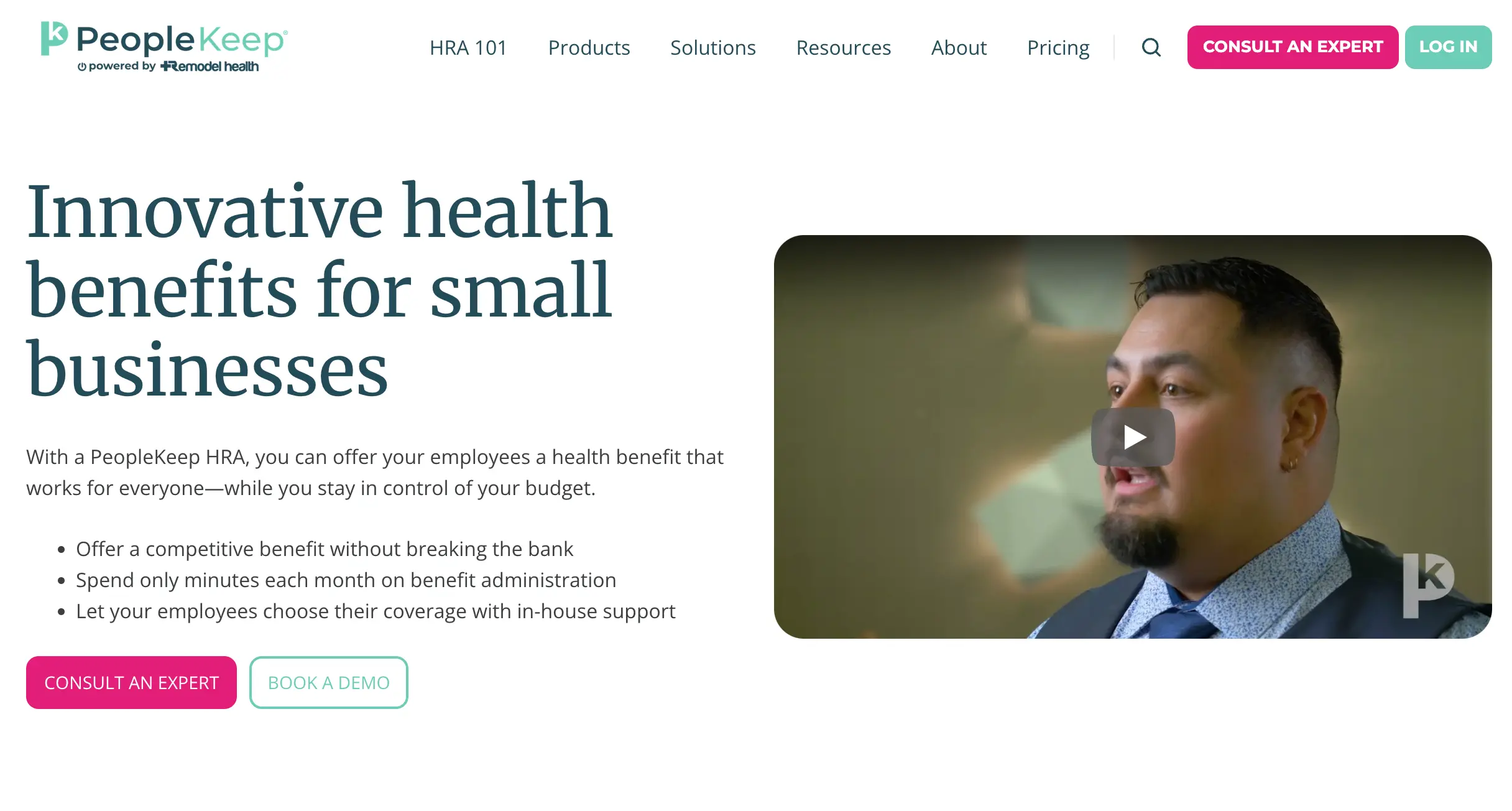
The is a more recent and much more versatile choice that works for companies of any size. Unlike the QSEHRA, the ICHRA has, giving you total control over your advantages budget. Even better, you can set various allowance quantities for different "classes" of workers, like full-time versus part-time or employed versus hourly employees.
A little startup can begin with a modest contribution and increase it as the company grows. And if your service grows into a Suitable Big Employer (ALE) with or more workers, a well-structured ICHRA can please the ACA's employer mandate, making it a fantastic long-lasting technique. To read more about how HRAs compare to other accounts, take a look at our guide on the differences in between HSAs, FSAs, and HRAs.
The best option frequently comes down to your business's current size, future growth plans, and how much flexibility you need. Functions for businesses with 1 employee or 1,000+ staff members.

Table of Contents
Latest Posts

Selecting Employee Assistance Program Solutions to Support Teams
Trusted Workplace Assistance Program Providers for Growth
Navigating Local Company Medical Insurance in 2026
Latest Posts
Selecting Employee Assistance Program Solutions to Support Teams
Trusted Workplace Assistance Program Providers for Growth
Navigating Local Company Medical Insurance in 2026